What to check before you book a buggy tour in Dubai
Booking a buggy tour dubai is simple enough, but the details matter. A desert outing can feel very different depending on the route, the pace, the vehicle, the group size and the safety routine. Before you pay, it helps to read past the photos and look at the practical side of the experience. The aim is not to find a perfect option, but to find one that fits your comfort level, your group and the kind of day you want in the desert.
Start with the basics. Confirm where the meeting point is, what time you need to arrive and how long the whole outing lasts. A listing may show drive time, but the total experience can include registration, safety briefing, transfers, stops for photos and time at a camp. Knowing the full schedule prevents a rushed morning and makes it easier to plan meals, rest and transport back to your hotel.
When comparing options on aljazeeratours.com, read the activity description closely rather than relying on the headline. Look for the exact route style, whether the drive is mostly open desert or includes red dunes, and whether the pace is aimed at families, beginners or more confident riders. If the wording is vague, ask for clarification before booking. A good description should tell you what kind of terrain to expect and how demanding the drive is likely to be.
The vehicle and the driving format
Not all buggy experiences are the same. Some use a single-seater vehicle, while others use two-seater buggies where one person drives and the other rides along. Check which format applies before you book, especially if you are travelling as a couple, with friends or with children. A two-seater can feel more social, but it also means sharing control of the day with your passenger. A solo driver may want more space and a clearer view of the trail.
Ask what is included in the driving session. The length of the drive, the number of stops and the level of guidance all shape the experience. A short introduction may suit someone who wants a taste of the desert, while a longer route may appeal to travellers who want more time away from the city. If you are new to off road driving, look for a format with clear instructions and a steady pace rather than one that promises speed above everything else.
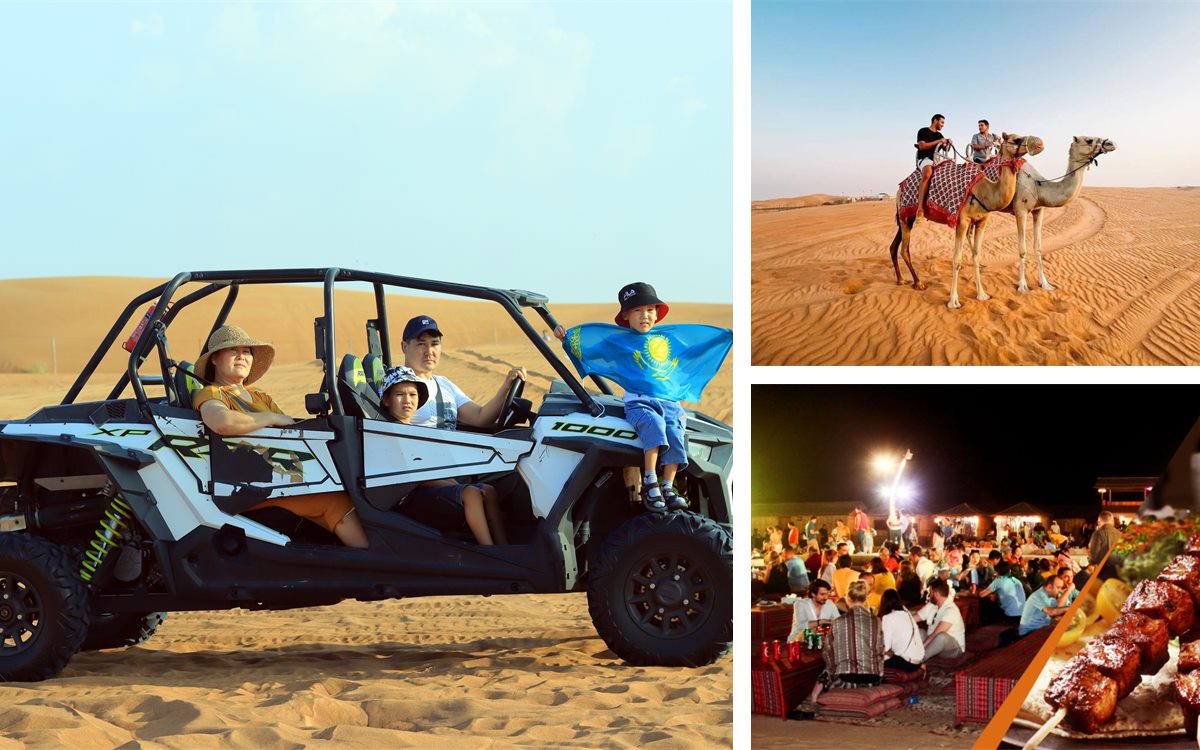
It is also worth checking whether the activity is private or shared. A shared outing can be lively and may suit solo travellers, but it often follows a fixed schedule. A private option gives more control over pace and photo stops, though it may require clearer planning in advance. Neither is automatically better. The right choice depends on whether you value company, flexibility or a quieter ride.
Safety, rules and personal comfort
Safety details are not the most exciting part of booking, yet they are among the most useful. Check whether a helmet is provided, whether seat belts are used and whether there is a briefing before the drive. These points tell you how the activity is managed and what is expected of drivers. If rules about age, driving experience or passenger height are listed, read them carefully. They exist because desert terrain can be uneven and vehicle control matters.
Think honestly about your own comfort. Bumpy ground, dust, heat and sudden turns can be tiring, especially during the warmer months. If anyone in your group is sensitive to motion sickness, pregnant, recovering from an injury or unsure about rough terrain, choose a gentler option or speak with the provider before confirming. It is better to ask awkward questions before the trip than to feel stuck during it.
Clothing also affects the day. Lightweight, breathable layers usually work better than heavy items, and closed shoes are more practical than sandals for getting in and out of a vehicle. Sunglasses, sun protection and a scarf or face covering can help with glare and dust. If the outing continues into the evening, bring something warmer, since desert temperatures can drop after sunset. Avoid loose scarves or dangling accessories that could catch on equipment.
What is included beyond the drive
Many desert outings include more than time behind the wheel. Some combine driving with dune bashing, sandboarding, camel riding or a stop for sunset photography. Others finish with a campfire dinner or a staged camp experience. These extras can add value, but they also change the rhythm of the day. A packed itinerary may feel enjoyable for first time visitors, while a shorter, focused drive may suit someone who wants less waiting around.
Check the order of the activities too. If food is served late, you may need a snack beforehand. If photography stops are built in, you can plan what to carry. If the evening meal is a major part of the experience, look into dietary needs in advance rather than assuming there will be suitable alternatives. Vegetarian, vegan or allergy friendly meals may need prior notice, and that is much easier to arrange before the day.
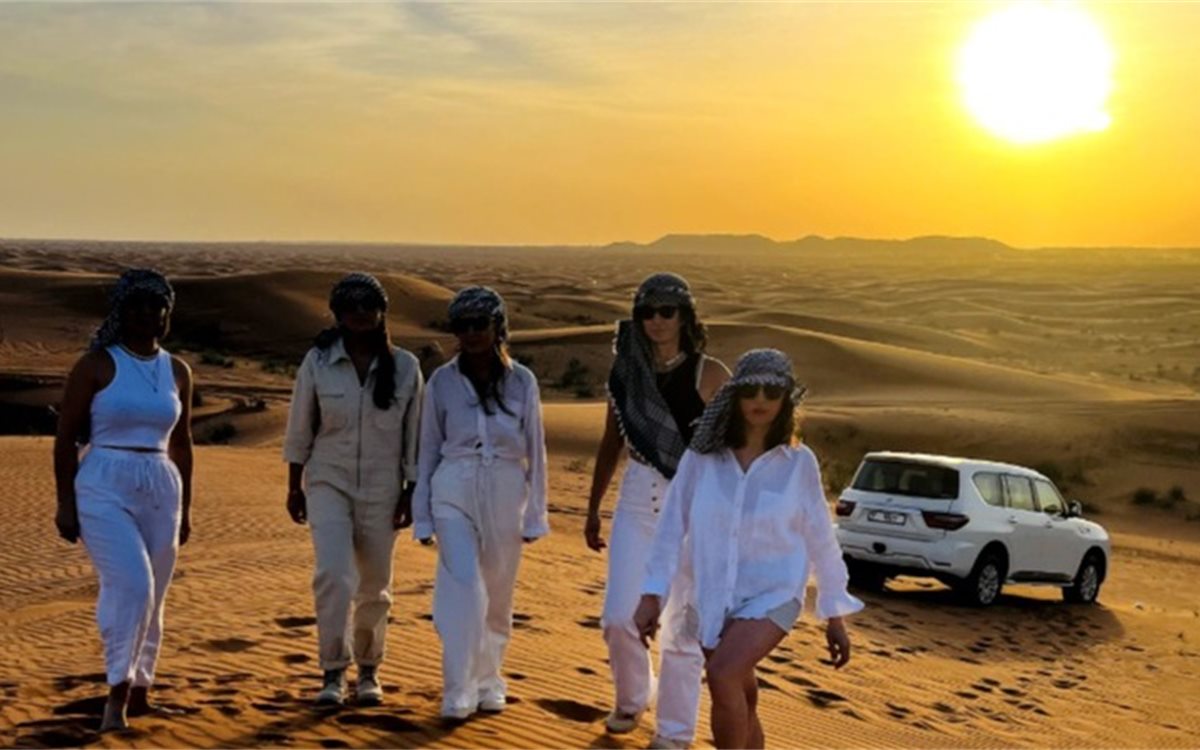
Transport is another point to confirm. Some options include pickup and drop off, while others require you to reach a meeting point yourself. The desert can feel far away when the drive is over, so make sure the return plan is clear. If you are relying on a taxi or rideshare afterwards, check whether the pickup point has reliable signal and a known location. A little planning here avoids a long wait in the heat.
How to read the finer details
Before you confirm, compare a few options side by side using the same criteria. This keeps the choice practical instead of getting lost in polished wording. A clear listing should answer most of the following points. If several answers are missing, treat that as a reason to ask questions rather than fill in the gaps yourself.
- Timing and route: Check the full duration, the driving time and the type of terrain, since these set the pace of the day.
- Vehicle format: Confirm solo or shared driving, seat layout and any age or experience rules that affect who can take part.
- Safety setup: Look for helmets, seat belts, a briefing and clear conduct rules before the vehicles move.
- Inclusions: Note meals, drinks, photo stops and extra activities, then decide whether they add to the experience or simply make it busier.
- Meeting and return: Check the exact start point, arrival time and how you will get back afterwards.
Another useful habit is to read the cancellation and change terms before paying. Plans can shift because of weather, flight times or health. A clear policy gives you a better sense of what can be adjusted and what cannot. If the terms are hard to find, ask for them in writing. The same applies to any deposit, payment schedule or extra charge that may appear later. Clear answers at the booking stage are a good sign, even if the final decision comes down to the itinerary.
Reviews can help, but read them with care. Look for repeated comments about organisation, waiting time, route quality, vehicle condition and how instructions were given. One short complaint may not mean much, while the same issue raised often deserves attention. At the same time, remember that desert conditions change, and a rough drive can be part of the terrain rather than a sign of poor planning. Focus on patterns that relate to comfort, clarity and safety.
Matching the tour to the right traveller
A first time visitor may enjoy a balanced outing with a briefing, a moderate route and time for photos. Someone who has tried quad biking or other off road activities may want a more active drive with fewer stops. Families may prefer a slower pace, clear rules and activities that do not require everyone to take risks. Groups of friends may care more about shared driving time and a lively atmosphere. The label on the activity matters less than how well it matches the people going.
Season can influence the choice as well. Hotter months make early starts and shorter exposure more appealing, while cooler months allow more time outside. Wind and dust can affect visibility and comfort, even when the sky looks clear. If the forecast suggests poor conditions, it is reasonable to ask whether the route or schedule can be adjusted. Desert activities depend on the environment, and flexibility is part of planning them well.
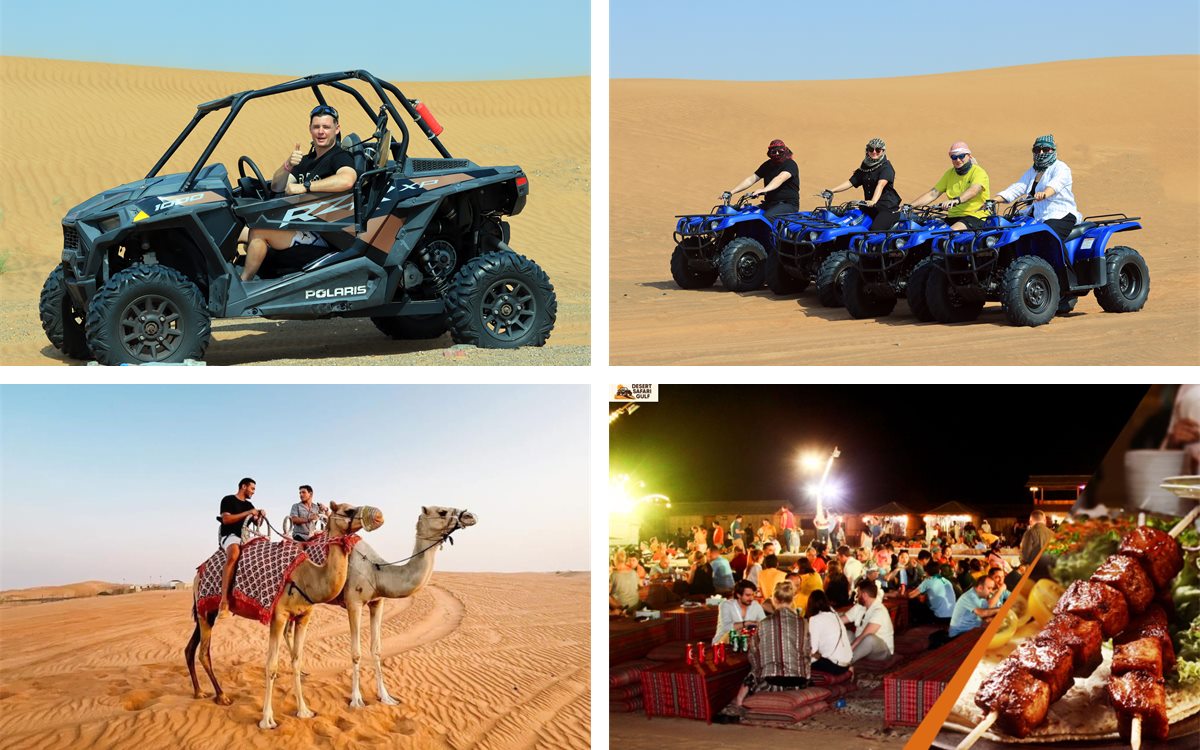
Photography is another small but real consideration. If sunset photography is important, check whether the route is timed around it and whether there are proper stops. A buggy is not the place to balance a camera while moving, and dust can affect lenses. A small bag with a lens cloth and a secure strap is more useful than carrying extra gear you may not use. Phones should be kept away from hands while driving and stored securely during rough sections.
Good preparation does not need to be complicated. Confirm the practical details, understand the level of driving involved and be honest about the group's limits. When those pieces fit, the day is far more likely to feel smooth from pickup to return. When they do not, even a beautiful route can feel long. Take a few minutes to compare the details, ask direct questions and choose the option that gives everyone a clear idea of what the desert day will involve.